
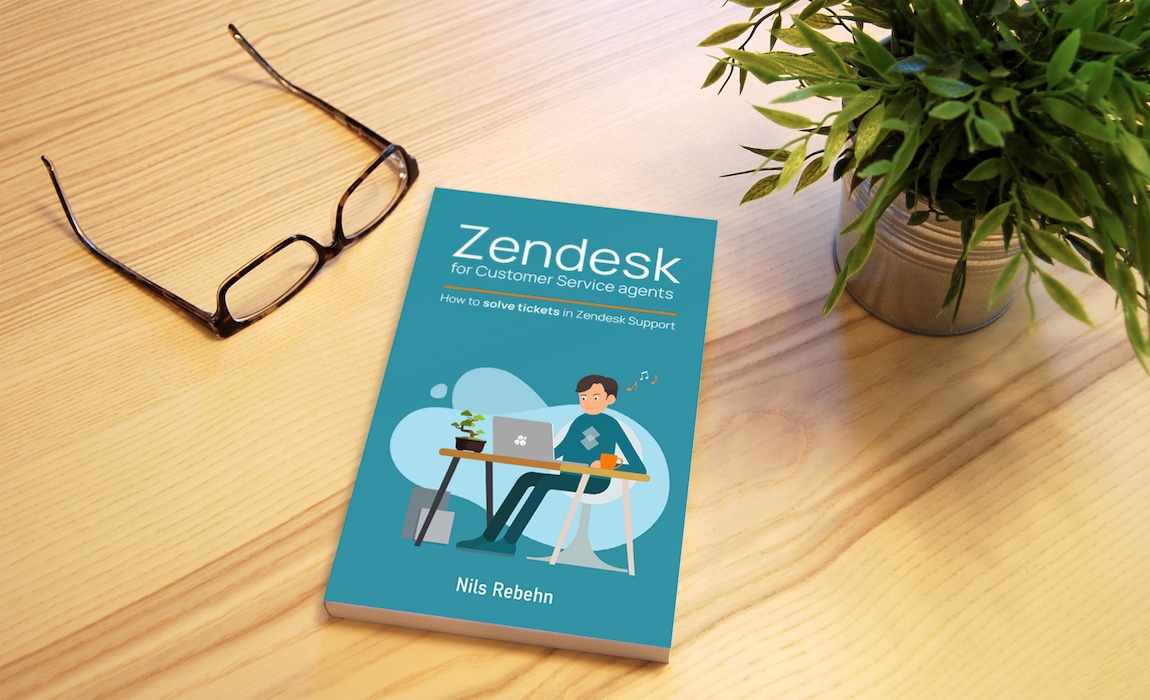
Between 2020 and 2021, I created three Zendesk courses on Udemy and wrote a 249-page book, Zendesk for Customer Service Agents. More than 5,500 people enrolled in the courses, which were rated between 4.4 and 4.8 stars. The book earned 4.8 stars on Amazon.
The book was never a bestseller, and it wasn’t meant to be. It served a niche: people who needed to learn Zendesk for their job and didn’t know where to start. It also became a great conversation starter with clients. Handing someone a book you wrote on their tool changes the tone of a first meeting.
The courses worked on two levels. End users learned the basics at their own pace, and clients bought them to onboard their teams. That saved everyone time in projects and let our workshops focus on the questions that really mattered.
This year I took both off sale.

Why I stopped
They were out of date. Zendesk has changed a lot since I recorded the courses and wrote the book. The interface has been redesigned, features have been renamed and merged, and AI agents and copilots now handle much of what used to be manual work. A beginner following my material today would learn a product that no longer quite exists.
Updating them wasn’t where I wanted to spend my time. It would have meant re-recording hours of video on ticket-handling basics. The questions I find interesting now are different: how AI agents change the work of support teams, why knowledge bases need rebuilding before AI can use them, and why teams keep copying old processes into new tools. A half-hearted update would have been worse than none.
What I learned
Writing forces you to understand. To explain Zendesk to a complete beginner, I had to strip it down to its core and build it back up step by step, in an order that made sense. That discipline made me better at explaining things in every client project afterwards.
Training material ages fast, and I knew it. In software, anything that shows screens and clicks starts to age the day it’s published. I went ahead anyway because the material was useful at the time, and it was. But it’s a product with a built-in expiry date, and someone has to own it.
The platform sets the price, not you. Udemy almost always sells courses at a heavy discount, so a course listed at a reasonable price usually sells for around $20. That’s fine for reach, but financially it only works at large volume. The real value was elsewhere: in credibility, client conversations and onboarding.
What’s next
My Amazon author page is still online if you’re curious.
Going forward, this site is where I’ll write about what’s next for customer service: AI agents, knowledge and the processes that make them work.
Leave a Reply